How the LinkedIn Algorithm Works in 2026: What LinkedIn Actually Confirms

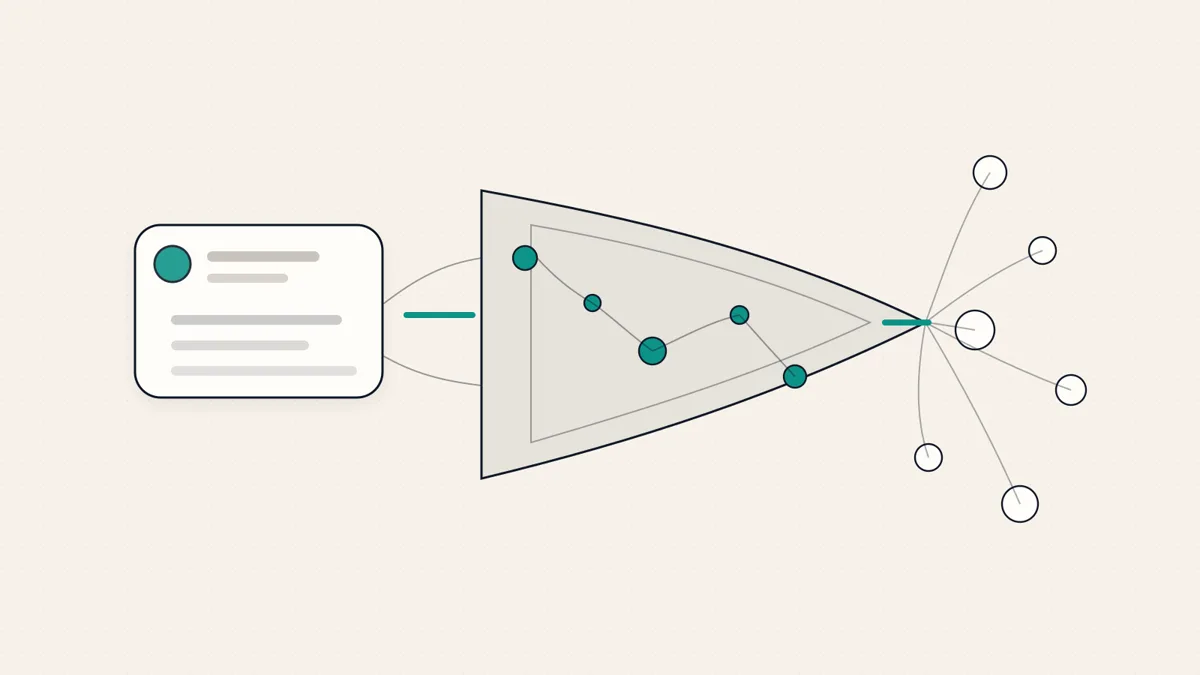
LinkedIn does not publish a formula that tells you exactly how far a post will travel. It does publish something more useful: the types of information its Feed systems use to decide which content is relevant to each member.
That distinction matters. A formula invites hacks. A signal model helps you make a post easier for the right person—and the system—to understand.
This guide separates three things that algorithm articles often blend together:
- what LinkedIn currently confirms;
- what can reasonably be inferred from those statements;
- what remains an unverified industry claim.
TL;DR
- The Feed is personalized. There is no single global score that ranks a post identically for every member.
- LinkedIn considers hundreds of signals. Its public explanation highlights identity, content, and activity.
- Topic and professional value matter. LinkedIn evaluates what a post is about, whether it offers knowledge or advice, how recent it is, and how constructive the conversation is.
- Relationships and interests matter. Connections, follows, recent interactions, profile context, and topics a member has shown interest in all shape relevance.
- Attention and engagement matter, but the weights are private. LinkedIn names views, interactions, and time spent viewing content; it does not publish a universal hierarchy or multiplier.
- “Golden hour” and automatic link penalties are not confirmed rules. Test them against your own analytics instead of presenting them as platform facts.
What LinkedIn officially says about Feed ranking
LinkedIn's official Feed-ranking overview says its AI systems and algorithms consider hundreds of signals. These include the context of a post and signals from a member's profile, network, and activity.
Its more detailed relevance documentation groups the practical signals into three families.
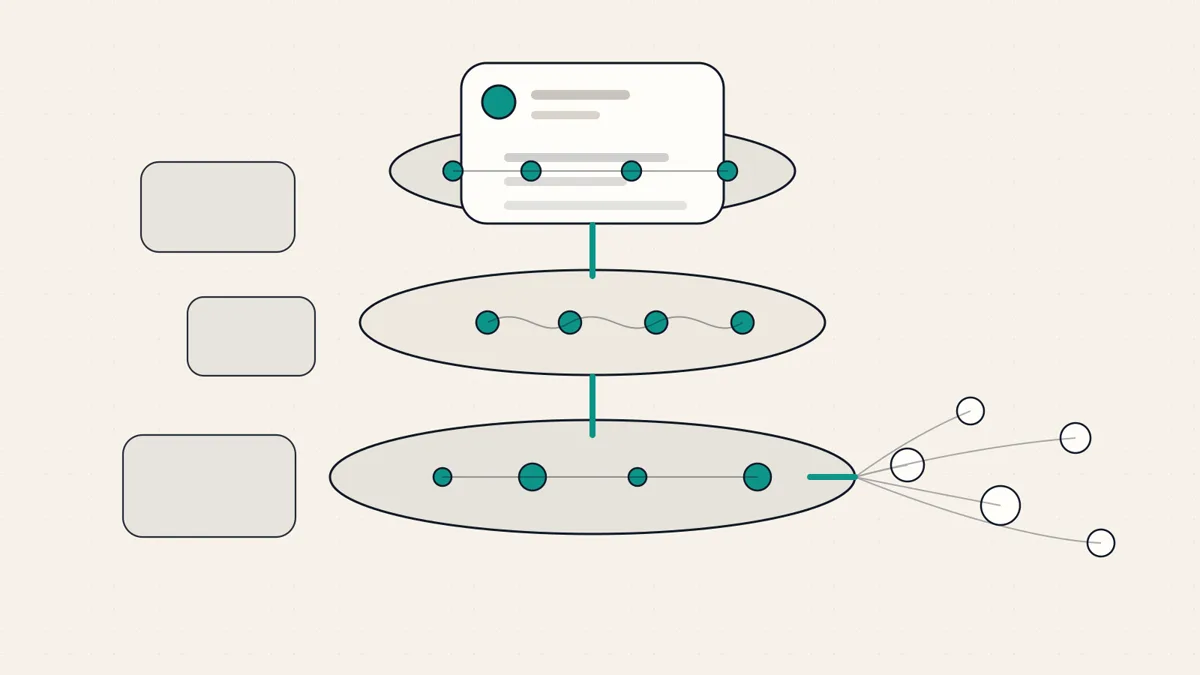
Identity signals
Identity gives LinkedIn context about the person receiving the Feed. Public examples include profile details, workplace, skills, location, professional background, connections, and follows.
This does not mean a profile keyword mechanically boosts every post. It means the system has context for deciding whether a topic, author, or update may be professionally relevant to a particular member.
Content signals
LinkedIn says it evaluates what a post is about, how often it is viewed or engaged with, how recent it is, its language, whether it contains knowledge or advice, who or what it mentions, and whether the resulting conversation is constructive and professional.
The practical implication is clarity. A specific post about a recognizable professional problem gives both readers and ranking systems more context than a vague motivational statement.
Activity signals
Activity includes what a member has reacted to, commented on, shared, or spent time viewing; the people they interact with; the topics they have shown interest in; and engagement with the author's posts.
This explains why Feed ranking is personal. Two people can open LinkedIn at the same time and receive different posts in a different order because their relationships, interests, and recent behavior differ.
What LinkedIn does not publish
LinkedIn does not publish the weight of each signal, a fixed distribution ladder, or a guaranteed recipe for reach. That leaves several popular claims unsupported as universal rules.
There is no confirmed one-hour threshold
The “golden hour” is a useful reminder to be present after publishing, but LinkedIn's current public documentation does not describe a fixed one-hour test or say that a post must cross a threshold during that window.
Early engagement can still be relevant because recency, views, engagement, and interaction history are documented signals. The unsupported leap is turning that into an exact timer.
Dwell time is not a published dominant multiplier
LinkedIn confirms that content a member spends time viewing is an activity signal. That makes reader attention relevant. It does not prove that dwell time is always the strongest signal or that one format receives a guaranteed boost.
Write to hold attention because the material is useful—not because a carousel supposedly earns a secret multiplier. If you use document posts, our guide to making a LinkedIn carousel covers the verified upload mechanics.
There is no confirmed blanket external-link penalty
Links can change how people behave: a weak teaser may send readers away before a conversation starts, while a self-contained post may earn more in-feed interaction. But LinkedIn's current ranking documentation does not confirm a universal penalty for every external link or a guaranteed advantage from putting the link in the first comment.
Treat link placement as an experiment. Compare similar posts in your own analytics and optimize for reader usefulness rather than folklore.
How to work with the algorithm without pretending to know the formula
The durable approach follows directly from the confirmed signals.
Name a clear professional topic. Make it obvious what problem the post addresses and who will benefit. This helps a reader self-select and gives the system clearer content context.
Add knowledge only you can credibly contribute. Use an experience, example, distinction, process, or result you can explain. LinkedIn has explicitly said it wants to surface knowledge and advice, but authority comes from substance rather than declaring yourself an expert.
Write for the relevant relationship. A post for existing peers may assume more context than a post intended for people outside your network. Decide which reader you are serving before you choose the hook or examples.
Invite a constructive response when one is natural. A precise question can extend the idea. Empty engagement bait does not make a weak post useful and can damage trust even when it produces visible activity.
Review attention quality, not impressions alone. LinkedIn defines impressions as estimated displays, not confirmed readers. Pair them with members reached, saves, substantive comments, sends, profile activity, and any business outcome you can observe. Our LinkedIn impressions guide explains those distinctions.
Build a consistent topic system. Consistency here means returning to a coherent set of problems, not posting every day. A stable topic graph makes your expertise easier for people to recognize over time. Start with the LinkedIn content strategy guide.
A simple experiment for your own account
Because LinkedIn does not publish signal weights, your account history is more useful than a universal benchmark.
- Choose one recurring topic and one audience.
- Publish four to six posts with a consistent level of specificity and effort.
- Change one variable at a time, such as format, opening structure, or link placement.
- Review results after enough time has passed for each post, using the same window.
- Compare impressions, members reached, saves, substantive comments, sends, and relevant profile or business actions.
- Keep the pattern only if it improves the outcome you actually want.
This will not reverse-engineer the Feed. It will tell you what helps your specific audience understand and act on your content.
The honest answer to “How does the LinkedIn algorithm work?”
LinkedIn ranks a personalized set of candidate posts using many signals about the member, the content, and recent activity. It tries to surface relevant, timely, professional content while reducing low-quality or unsafe material. The exact model and signal weights remain private.
That is enough information to make good content decisions. Be clear about the topic. Contribute real knowledge. Write for a defined reader. Measure the quality of attention. Treat every precise algorithm “rule” as unverified until LinkedIn documents it or your own controlled comparison supports it.
Related reading
Choose your next step
Frequently asked questions
How does the LinkedIn algorithm work?
LinkedIn says its Feed systems consider hundreds of signals. Its current transparency documentation groups the most useful signals into identity, content, and activity: who a member is connected to, what a post is about and how it is received, and what that member views or interacts with. The result is personalized for each member rather than one universal ranking for every post.
What signals does LinkedIn confirm it uses?
LinkedIn confirms signals including profile and professional context, connections and follows, post topic and recency, views and engagement, constructive conversation, language, content a member spends time viewing, and recent interactions with people and topics. It does not publish the weight of each signal.
Is dwell time a LinkedIn ranking signal?
LinkedIn's current relevance documentation says content a member spends the most time viewing is an activity signal. That supports treating attention as relevant, but LinkedIn does not say dwell time is always the dominant signal or publish a multiplier for it.
Does the first hour decide LinkedIn reach?
LinkedIn does not confirm a fixed golden-hour rule in its current public feed-ranking documentation. Early responses may contribute to the view and engagement signals the system uses, but there is no public one-hour threshold or guaranteed expansion sequence.
Do external links automatically reduce LinkedIn reach?
LinkedIn's current feed-ranking documentation does not publish a blanket external-link penalty. Link placement can affect reader behavior, but claims about a universal penalty or a first-comment workaround should be treated as experiments, not platform facts.
Does LinkedIn use demographic traits to rank the Feed?
LinkedIn says age, race, gender, pronouns, and related self-identification fields are not signals used to determine Feed visibility or engagement.
Related guides
Browse Growth GrowthJuly 3, 2026
LinkedIn Content Strategy: A Planning and Review System
A manageable content strategy for consultants and founders: define the audience, choose substantiated topics, verify publication and review relevant responses.
Read more WritingOctober 3, 2026
How to Schedule LinkedIn Posts and Find Scheduled Posts
A practical guide to LinkedIn's native scheduler, including where scheduled posts live, how to edit them, and what to check when the clock or a post is missing.
Read more GrowthJuly 4, 2026
Best Time to Post on LinkedIn: Find Your Audience's Window
Use timing studies as starting hypotheses, not a schedule to obey. Pick two windows in your audience's timezone, compare similar posts at the same age, and keep the slot that supports your goal.
Read more
See your first post, in your voice
Paste your LinkedIn profile and WriteHero drafts a post that sounds like you. See it before you sign up, no login needed. Create an account later to save the draft.