WriteHero

LinkedIn personal branding: A Plain Guide to Building One That Sounds Like You

· Content & Copywriting, WriteHero · LinkedIn · July 3, 2026

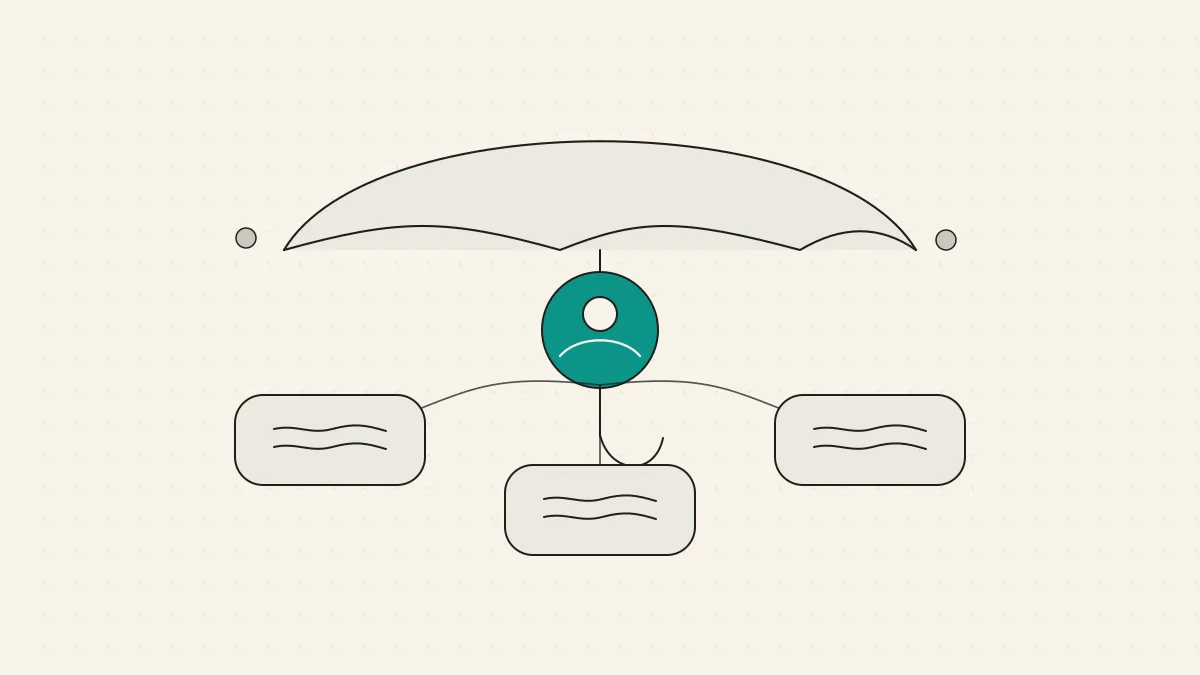
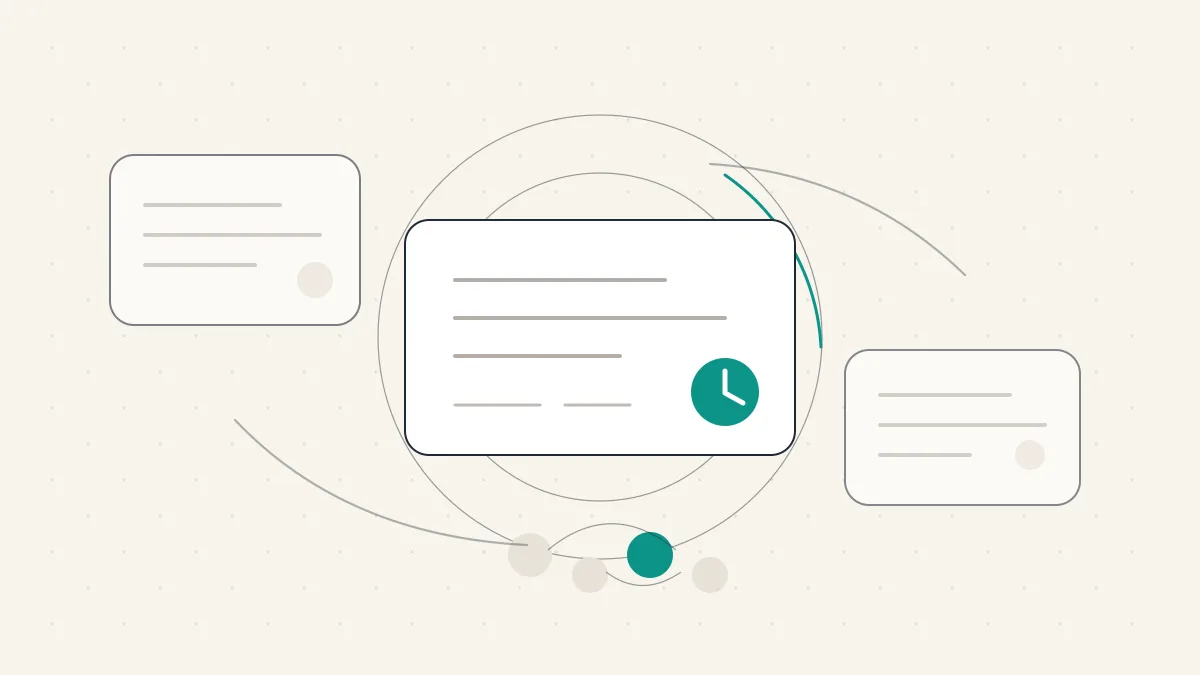
Hero: central identity mark under an umbrella connecting profile content and consistency

If you have ever polished your LinkedIn headline, posted three times in a good week, then gone quiet for a month, you already understand the real problem with personal branding on LinkedIn. It is not that the advice is wrong. It is that most of it treats a personal brand like a one-time makeover, when it is actually a slow accumulation of small, consistent signals that add up to a reputation.

LinkedIn personal branding is not a logo, a tagline, or a clever color palette. It is much simpler and much harder than that. It is the specific, consistent value that people associate with your name when they see it. And it is built from two halves that only work together: your profile, which proves you are relevant, and your content, which shows how you actually think. This guide walks through both, honestly, without the loud advice that makes people quit.

TL;DR

  • 🪪 A personal brand is what people associate with your name. Not a logo or tagline, the specific expertise and point of view they can name after reading you.
  • 🧩 It is built from two halves. Your profile proves relevance, your content shows judgment. Neither works alone.
  • 📄 The profile is the foundation, not the brand. Get the headline and About section to say who you help, then stop tweaking and start posting.
  • ✍️ Content is the engine. Posting consistently in your own voice is what compounds a reputation over months.
  • 🗣️ Voice is the whole point. Sounding like you, not like generic AI or a template, is what makes people remember you instead of scrolling past.
  • 📊 Measure direction, not vanity. Impressions and your SSI are directional signals, not goals to chase.
  • It takes a while, and that is normal. There is no launch date, just a habit that quietly compounds.

What personal branding on LinkedIn really means

The phrase gets loaded with a lot of baggage, so it helps to strip it down. A personal brand is not something you design. It is something other people hold in their heads about you. Specifically, it is the answer to a simple question: when your name comes up, what do people expect from you?

If the answer is "not sure, some kind of marketing person," you do not have much of a brand yet. If the answer is "the person who explains B2B onboarding better than anyone I follow," you have a strong one. The difference is not talent or follower count. It is specificity and consistency.

So personal branding on LinkedIn is not the visual stuff people reach for first. It is not a banner design, a color scheme, or a three-word tagline under your name. Those are decoration on top of the real thing. The real thing is the consistent, specific value people can attach to you after they have read your profile and a handful of your posts.

That reframe matters because it tells you where the work is. You do not build a brand by picking the perfect adjectives for your headline once. You build it by being recognizably, repeatedly about something. Which means the two things that carry your brand are the two things people actually read: your profile and your content. Everything in this guide comes back to those two halves.

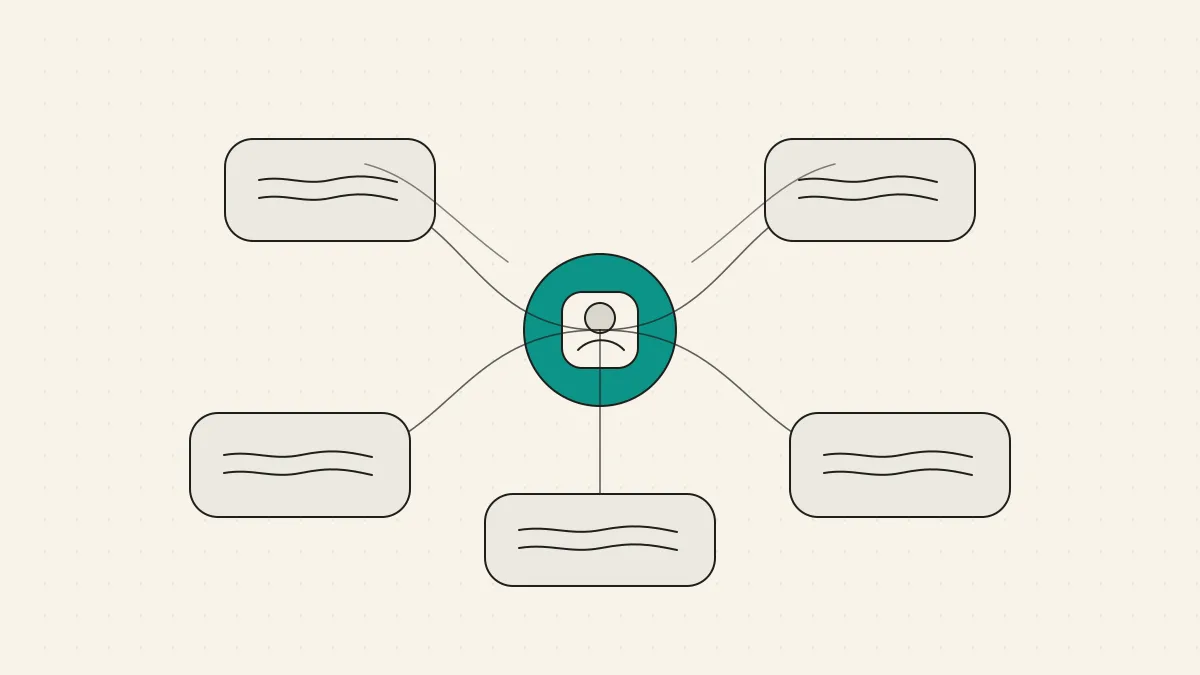
Concept: personal brand hub connecting identity to profile content and consistency nodes

Your profile: the foundation

Your profile is the foundation because every post you ever write drives traffic to it. Someone sees your name in a comment thread, reads something you posted, or gets your profile from a referral, and within a few seconds they decide whether you are relevant to them. If the profile does not answer that fast, the content pouring traffic into it is being wasted.

Two elements do most of the work.

Your headline is the single most important line on the page, because it travels with your name everywhere on LinkedIn. It appears next to every comment, every post, every search result. It is not your job title, it is your positioning: who you help and what you are known for, in plain words a real person would use. We go deep on this in the LinkedIn headline examples guide, and you can draft and test versions with the LinkedIn headline generator rather than staring at the field.

Your About section is where a curious visitor decides to stay or leave. It is not a resume in paragraph form. It is a short, human argument for why the right person should care about you, written in your voice, ending with what you post about so a new visitor knows what following you gets them. For structure and worked examples, see LinkedIn summary examples, and the LinkedIn About generator can turn a rough draft into a first version to edit.

We will not re-teach every profile field here, because the profile is the setup, not the game. The rule of thumb is this: a stranger who lands on your profile from one of your posts, on a phone, without scrolling, should understand who you are and what you know. If you want to pressure-test whether yours does that, run it through the LinkedIn profile analyzer. Once the profile clears that bar, stop polishing it. The brand is built somewhere else.

Your content: the engine

Here is the part most people skip, and it is the part that actually builds the brand. A great profile proves you could be relevant. Only your content proves you are, over and over, until people expect it from you. Posting consistently in your own voice is the engine of personal branding on LinkedIn, and everything else is support.

The reason is simple. A profile is static. You set it up, and it says the same thing to everyone who visits. Content is cumulative. Each post is another small piece of evidence about how you think, and those pieces stack. After a month of profile-only presence, nobody knows anything new about you. After enough steady posting, a specific group of people can describe your point of view without prompting. That is the whole difference between having a profile and having a brand.

What you post matters less than most guides suggest, as long as it is genuinely yours and genuinely about your lane. A few reliable directions:

  • Things only you could write. A specific lesson from your work, a mistake that cost you something, a pattern you keep seeing that others miss. This carries proof no one can copy.
  • Opinions you can defend. A take on how your field actually works, stated plainly. A clear point of view is what makes you memorable instead of pleasant and forgettable.
  • The questions you keep answering. If you explain the same thing to client after client or colleague after colleague, that explanation is a post, and a lot of people need it.

If the blank page is where you stall, that is normal, and it is a solvable problem. Our LinkedIn post ideas guide has frameworks built for exactly this, tied to work only you have done. For turning an idea into a finished post, how to write a LinkedIn post walks through hook, structure, and voice, and LinkedIn post examples shows what good looks like across formats. When you have a rough idea and want a first draft to shape, the LinkedIn post generator is meant to remove the blank-page friction, not to publish for you.

Consistency and voice

If content is the engine, voice and consistency are the fuel, and they are also where almost everyone quietly gives up. This is the honest core of the whole thing, so it is worth being blunt about it.

Voice first. The entire point of posting under your own name is that it sounds like you. A personal brand made of content that could have been written by anyone is not a brand, it is noise with your photo on it. Generic advice, template hooks, and AI output that reads like a corporate intern all do the same damage: they make you interchangeable, when being un-interchangeable is the only thing a personal brand is for. People do not remember the median LinkedIn voice. They remember the person who sounds like a real human with a specific opinion.

This is exactly where it gets hard, and where most posting habits die. You can have a sharp idea and still lose it in a draft that reads like a press release. The usual culprit is a generic tool that flattens your point into standard LinkedIn cadence, so that editing it back into your own words takes longer than writing from scratch. That friction is what kills consistency. Every post starts to feel like an hour of work, so you post less, then not at all, and the brand stops compounding right when it was about to start.

That gap, between knowing you should post and actually posting in a voice that is yours, is the specific problem WriteHero was built to solve. We are upfront that it is our tool. It learns your voice from your real LinkedIn post history, then drafts in that voice, so a first draft already sounds like you and you edit a few lines instead of fighting the blank page. It is not a growth suite or a lead database, on purpose. If keeping your own voice while posting consistently is the thing you keep failing at, that is the exact thing it is meant to make lighter.

An authentic personal brand is not a template. It is you, sounding like you, on repeat. WriteHero learns your voice from your real LinkedIn posts, then drafts in it, so posting consistently stops feeling like a fight with the blank page. 7-day free trial, no credit card. Start free →

Measuring it

Once you are posting, the temptation is to grade yourself on numbers, and the numbers are easy to misread. A personal brand is a slow, human thing, and the metrics available to you are blunt instruments. Use them as direction, not as goals.

Impressions tell you how often LinkedIn showed your content. They do not tell you whether the right people cared or remembered you. A post seen by a smaller group of the exact people you want to reach is worth more than one seen by a large crowd of strangers, so treat impressions as a rough distribution signal and nothing more. We break down what the number actually means in LinkedIn impressions.

Your Social Selling Index, the 0 to 100 score LinkedIn assigns your presence, is another directional read. It moves as you build a profile, share content, and engage, so it can confirm you are broadly doing the right things. It is not the goal, and optimizing for the score itself misses the point. The LinkedIn Social Selling Index guide covers what it measures and how content nudges it.

The signals worth actually watching are quieter and slower: profile views ticking up after you post, saved posts, thoughtful comments, and conversations that open with "I saw your post about X." Those correlate with a brand forming far better than any counter. If you get impressions but no conversations, the leak is usually positioning, so revisit what your profile says you do. If you get neither, the issue is almost always consistency or voice, which loops straight back to the sections above.

How long does it take, and what to expect

The honest answer is longer than most advice admits, and it does not arrive on a schedule. Building a personal brand on LinkedIn is an accumulation, not a launch. There is no week where it switches on. There is a gradual shift where more of the right people know what you are about, and it happens quietly in the background of consistent posting.

We are not going to hand you a neat promise that daily posting will produce a huge following by a specific date, because that would be made up, and made-up timelines are how people set themselves up to quit. What is reliable is the shape of it, not the speed. The direction is dependable, the pace depends on you.

A few honest expectations to hold:

  • Early on, it will feel like shouting into a void. Low engagement at the start is normal and not a verdict on your content. Almost everyone posts to near silence before anything compounds.
  • The compounding is real but delayed. The value shows up as a slow rise in profile views, saves, and inbound conversations, usually well after you expected to see it.
  • Consistency is the variable you control. You cannot control the algorithm or the pace, but you can control whether you keep showing up, and that is the single biggest factor in whether any of this works.

The people who build strong personal brands on LinkedIn are rarely the best writers or the loudest voices. They are the ones who picked a specific thing, showed up in their own voice, and did not stop when it was slow. That is the whole strategy. The rest is just making it light enough to keep doing.

Frequently asked questions

What is LinkedIn personal branding?

LinkedIn personal branding is the specific, consistent value people associate with your name on the platform. It is not a logo, a tagline, or a color palette. It is what someone can say about your expertise and point of view after reading your profile and a few of your posts. It is built from two halves that work together: a profile that proves you are relevant, and content that shows how you actually think. When both point at the same specific thing, people start to remember you for it.

How do I use LinkedIn for personal branding?

Start with the profile, because every post drives traffic to it. Get your headline and About section to say clearly who you help and what you know, then post consistently in your own voice about the same narrow set of themes. The profile proves relevance in the first screen. The content compounds over months into a reputation. Most people over-invest in one-time profile tweaks and under-invest in the steady posting that actually builds the brand, when the posting is the part that does the heavy lifting.

What is a good LinkedIn personal branding strategy?

Pick a specific area you want to be known for, make your profile prove you belong in it, and post regularly about it in your own voice. Depth beats breadth: being clearly the person who understands one thing is stronger than being vaguely associated with ten. Consistency beats intensity: a light cadence you can actually hold builds more than a burst that burns out when work gets busy. The whole strategy is choosing a lane and showing up in it long enough to be remembered.

How often should I post to build a personal brand on LinkedIn?

A manageable cadence you can actually keep is enough for most people, and consistency matters far more than volume. A steady rhythm beats a daily sprint that collapses when work gets busy. The real bottleneck is rarely ideas, it is the time and energy to turn an idea into a finished post that sounds like you. That is why the people who build strong brands are usually not the best writers, they are the ones who did not stop.

Do I need a large following for personal branding on LinkedIn to work?

No. A personal brand is about being trusted by the right people, not seen by the most people. A smaller audience that matches your field, reads your posts, and remembers your point of view is worth more than a much larger audience of strangers. Reach is a vanity signal that can drift far from your goal. Being the first name a specific group thinks of when a need appears is the thing that actually pays off.

How long does it take to build a personal brand on LinkedIn?

Honestly, longer than most advice admits, and it is a slow accumulation rather than a launch. There is no fixed timeline, because it depends on how consistently you post, how specific your positioning is, and how well your content matches your audience. What is reliable is the direction: profile views, saved posts, and conversations that reference your content grow gradually as you keep showing up. Treat it as a habit that compounds, not a campaign with an end date.

More in Growth

View all

See your first post, in your voice

Paste your LinkedIn profile and WriteHero drafts a post that sounds like you. See it before you sign up, no login needed.

linkedin.com/in/

Or paste your full LinkedIn URL, we'll extract your username.

  • 7-day free trial · No card required
  • See your first post before you sign up
  • No LinkedIn login or password needed
Trusted by founders & creators