LinkedIn Character Limits: Posts, Profiles and Connection Notes

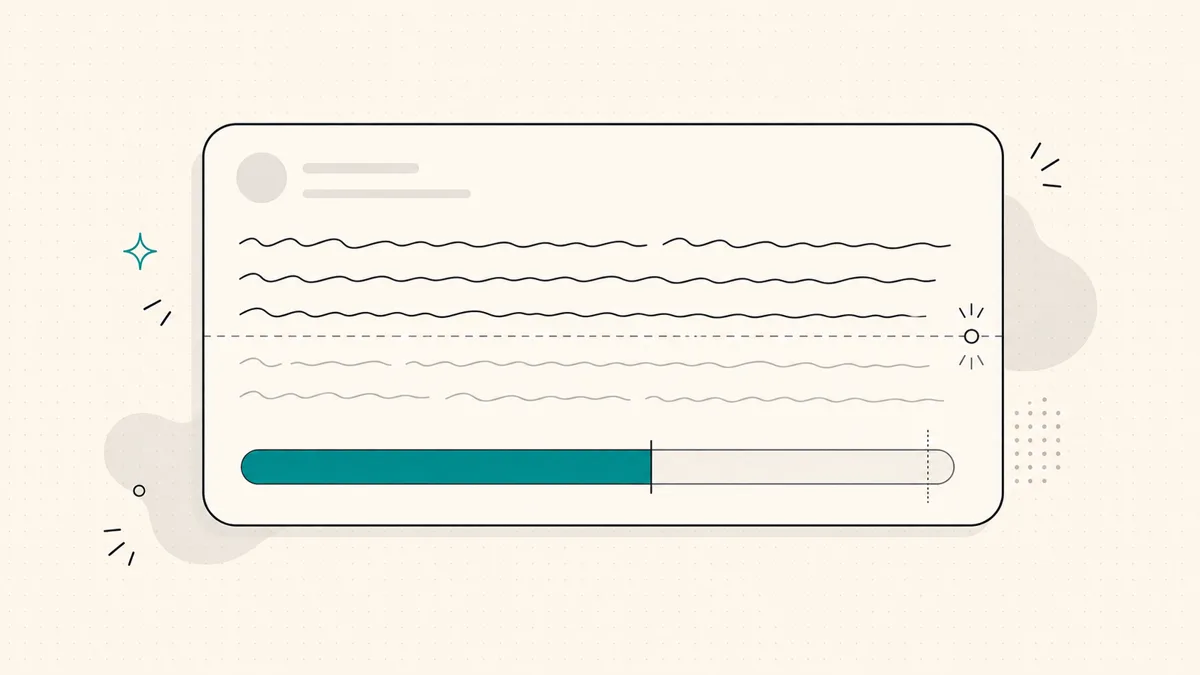
A standard LinkedIn post can contain up to 3,000 characters. For a connection note, the limit depends on your account: 200 characters on Basic and 300 on Premium. Check your actual draft with the free LinkedIn character counter.
We checked the linked official help on October 3, 2026. A limit is a publishing constraint, not a target length or a guarantee of performance.
LinkedIn character limits at a glance
On a narrow screen, scroll sideways to read every column.
| Field | Working limit | Evidence and caveat |
|---|---|---|
| Standard post | 3,000 | Official posting help |
| Connection note: Basic | 200 | Official invitation comparison |
| Connection note: Premium | 300 | Same official invitation comparison |
| Profile headline | 220 | Working limit used by our counter; confirm in the current profile editor |
| About / summary | 2,600 | Working limit used by our counter; confirm in the current profile editor |
| Comment | 1,250 | Working limit used by our counter; confirm in the current comment field |
| Company tagline | 120 | Reference value; confirm in the current Page editor |
The official sources directly support the post and invitation rows. The remaining rows are practical counter presets, not newly verified platform guarantees. An implementation is not independent evidence that a platform limit is unchanged. If LinkedIn's live field shows a different maximum, follow that field.
Post limit vs the see-more preview
The maximum is 3,000 characters, but a feed preview may show only a few lines before “see more.” There is no fixed 210-character cutoff that works for every device, line-break pattern and media type.
Make the opening understandable on its own. Then check it in the post preview as an approximation and in LinkedIn itself before posting. A clear opening can be short without using a generic curiosity hook.
Compare these two illustrative openings:
- “Today I wanted to share some thoughts about the importance of clear briefs.”
- “The brief said ‘make it faster.’ We had not agreed what ‘faster’ meant.”
The second sets up a concrete problem. It does not establish a performance benchmark; it simply gives the reader a reason to understand the next line.
Headline and About section
For a headline, explain your role, audience or useful specialty before filling the available space. Draft alternatives with the headline generator, then check both the count and how they scan.
The About section gives you more room for context. Put the essential explanation first, then evidence you can substantiate. You do not need to use every available character. For structures rather than a limit sheet, see LinkedIn summary examples.
Basic vs Premium connection notes
Do not write a 290-character invitation for a Basic account and expect it to fit. Use the correct row in the counter. A note should explain why the connection is relevant, not carry a complete pitch.
For example: “Hi Sam, your post about project briefs matched a problem I am working on. I would like to follow your examples.”
This is a sample, not a recommendation to send mass invitations. Personalized-note allowances are separate from the overall number of connection requests LinkedIn permits.
What the counter actually measures
Our tool counts JavaScript string units, including spaces and line breaks. Many ordinary letters take one unit; some emoji sequences take several. “Without spaces” is a secondary writing statistic, not the number to use for a platform maximum.
Unicode bold or italic characters can also behave differently from normal letters. They may be awkward for assistive technology and search. Keep essential meaning in normal text, and confirm the final copy in LinkedIn.
A final check before publishing
- Select the correct field and account type.
- Paste the final version, including links and line breaks.
- Leave room rather than aiming one unit below the maximum.
- Review facts, names and any client information.
- Confirm the text in the live LinkedIn editor.
For document captions, the post limit still matters. Use the carousel dimensions reference for the PDF itself and the writing guide for the post's structure.
Choose your next step
Frequently asked questions
What is the LinkedIn post character limit?
LinkedIn's help specifies 3,000 characters for a standard post. This is a maximum, not an ideal length.
How long can a LinkedIn connection request note be?
LinkedIn's help distinguishes 200 characters for a Basic account and 300 for Premium. Check the live invitation field on your account; a universal 300-character rule is misleading.
Is the see-more cutoff exactly 210 characters?
No. It varies with screen width, line breaks, media and the feed layout. A 210-character sample is a writing aid, not an exact rendering guarantee.
Do spaces, line breaks and emojis count?
Spaces and line breaks consume space. Our counter uses JavaScript string length, so some emojis and Unicode characters occupy multiple units. Treat the counter as a drafting check and confirm the final text in LinkedIn's composer.
Related guides
Browse Writing WritingJuly 3, 2026
How to Write a LinkedIn Post That Sounds Like You
A practical guide to writing LinkedIn posts that earn attention without sounding generic: hook, body, takeaway, voice, formatting, and final checks.
Read more WritingOctober 3, 2026
How to Schedule LinkedIn Posts and Find Scheduled Posts
A practical guide to LinkedIn's native scheduler, including where scheduled posts live, how to edit them, and what to check when the clock or a post is missing.
Read more- WritingOctober 3, 2026
LinkedIn Drafts: Where to Find, Save and Recover Your Post
Post drafts and article drafts live in different places. Find the right one, keep a safe copy, and avoid discarding work while looking for a scheduled post.
Read more
See your first post, in your voice
Paste your LinkedIn profile and WriteHero drafts a post that sounds like you. See it before you sign up, no login needed. Create an account later to save the draft.