LinkedIn Content Strategy: A Planning and Review System

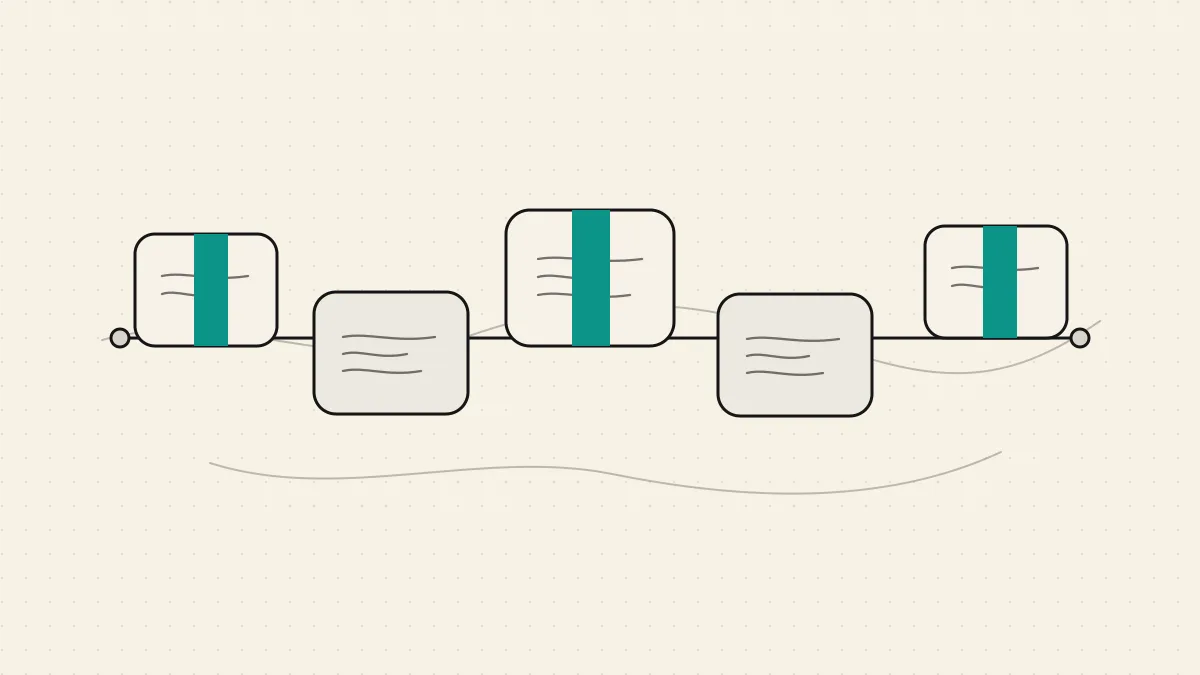
A LinkedIn content strategy should answer four questions: Who is this for? What can I substantiate? How will I publish and review it? What result would make the effort worthwhile? Use the planning system below to connect topics with a professional goal rather than filling a calendar for its own sake.
This guide is for a consultant or founder publishing under their own name. It does not cover a full company campaign or establish that a particular cadence, format or voice generates more reach. WriteHero publishes the guide and sells a writing product.
Set the goal and scope
Choose one primary outcome: explain your expertise to a hiring audience, start relevant consulting conversations, or help an existing professional audience understand a topic. State the intended reader and the next step that fits that goal.
Write down what cannot be published: confidential client work, unapproved names or quotes, regulated advice outside your scope, and results without a source. A public content routine may be the wrong choice if the useful material cannot be shared safely.
Make your profile explain the same work. A post may lead someone to inspect it, but not every post produces a visit. For the broader relationship between profile and content, use the personal-branding plan.
Choose themes by reader decision and evidence
Three to five recurring themes can be a manageable starting set. That is an editorial heuristic, not a performance optimum. A theme earns its place when you have something useful to show and the reader has a relevant decision to make.
On a narrow screen, scroll sideways to read every column.
| Candidate theme | Reader's decision | Evidence you can publish | Keep or exclude? |
|---|---|---|---|
| Pricing a service | Which scope and trade-off fit the work? | A permitted example or a transparent method | Keep when you can explain the conditions |
| Client onboarding | How should a handoff be owned? | Your real checklist, with private details removed | Keep when the steps are usable |
| A fashionable industry claim | What would the reader do differently? | No direct experience or source yet | Exclude until the claim is substantiated |
This is an illustrative chooser, not a customer study. Use the post-ideas frameworks to turn one real observation into a draft. Keep the caveat that makes the advice accurate, even if a stronger claim would sound more dramatic.
An illustrative content-strategy example
Consider a fictional fractional CFO who works with early-stage founders. This is a planning example, not an observed customer outcome or a promise that a reputation will form in six months.
- Audience and goal: founders who need to understand cash planning before deciding what finance support to hire.
- Themes: cash runway, board reporting, and interpreting one recurring metric.
- Evidence: a permitted checklist or anonymized example with the assumptions and limits stated.
- Trial workload: two reviewed posts a week, only if that fits the person's actual schedule.
- Next step: a relevant question or invitation to inspect the method, not an invented success claim.
A first post could explain the difference between a forecast assumption and a measured result. A second could show a short checklist for a reporting handoff. The content is useful only if the practitioner can substantiate it; posting those topics on a schedule does not guarantee recognition, reach or clients.
Use a publishing routine with verification
Choose a workload you can sustain while checking facts and permissions. One to three posts a week is a starting range to adjust, not a claim that it outperforms other frequencies. Record drafting and review time so the plan does not hide its cost.
For each post:
- Choose one reader decision and one supported point.
- Draft with the post-writing method.
- Check facts, permission, scope and the intended next step.
- Preview paragraph breaks, then inspect the actual composer.
- Schedule and verify the queued text, time and timezone, or publish manually.
- Review substantive replies without treating automated engagement as evidence of reader interest.
If timing is the variable you want to test, use the posting-time experiment guide. Keep topic, format and observation age as comparable as possible. A small exploratory test can be inconclusive; do not declare a universal best hour from one good post.
Use AI without outsourcing the evidence
An AI draft can help with structure, but check it for invented results, customer quotes and phrasing you would not use. Evaluate actual editing time across several briefs, not only a pleasing first response.
WriteHero's paid product builds a voice profile from existing LinkedIn posts and supports separate author contexts. Its free generator drafts from the brief you enter. These are different workflows, and neither is proof that you will need only a few edits. Use the generator evaluation checklist or AI tools comparison if drafting is the part you want to improve.
Review the plan with a consistent log
Copy the following fields into your own planning sheet. Leave missing data blank rather than substituting a guessed result.
On a narrow screen, scroll sideways to read every column.
| Publication date | Theme and format | Goal | Observation age | Impressions / members reached | Relevant responses | Draft and review time | Correction or limitation | Next decision |
|---|---|---|---|---|---|---|---|---|
Use the metric definitions and keep the report window unchanged. For example, compare each post after the same number of days instead of comparing yesterday's post with one that circulated for a month. Record meaningful questions or inquiries without storing private names in a public sheet.
Profile views are a separate, privacy-limited signal. A visit, like a reaction, is not proof of buying intent. Note other activity such as referrals or a profile rewrite so you do not attribute all change to the posting plan.
Choose a review period in advance, then decide whether to keep, adjust, pause or stop the plan. Flat results do not establish which variable is responsible. Change one manageable part at a time where possible, and state “no clear winner” when the evidence is mixed. There is no guaranteed compounding effect or finish date.
Related reading
- LinkedIn personal branding, align the profile and the work you want to be associated with.
- LinkedIn post ideas, choose a topic from a real observation.
- How to write a LinkedIn post, turn a point into a reviewed draft.
- Best time to post on LinkedIn, test timing without a universal-hour promise.
Choose your next step
Frequently asked questions
What is a LinkedIn content strategy for a solo consultant?
It is a plan connecting an audience and professional goal with topics, permitted evidence, a manageable publishing routine and a review method. It should help you decide what to publish, what to leave out and when to adjust or stop.
How many content pillars should I have?
Three to five themes is one planning starting point, not a proven optimum. Keep only themes where you have useful evidence and the intended reader has a relevant decision. Fewer can be enough; do not add topics to fill a quota.
How often should I post on LinkedIn?
One to three posts a week is an optional workload starting point for this plan, not a reach recommendation or universal optimum. Choose a cadence that leaves time for checking facts, permissions and relevant responses. Reduce it if quality or your actual work suffers.
Is personal branding on LinkedIn the same as a content strategy?
No. A content strategy is the plan you control; a personal brand describes associations other people make with your work. A consistent plan does not guarantee recognition or a particular growth timeline.
Should I measure LinkedIn impressions?
Use impressions as context for distribution, alongside the response that fits your goal. Compare similar posts at the same age and keep report definitions consistent. Impressions are not complete reads or buying intent.
Can I use AI to write LinkedIn posts without sounding generic?
You can use it to draft, then compare the text with your actual writing, check the facts and measure your editing effort. A voice-profile mechanism is not proof of a guaranteed quality or time-saving advantage. Free brief-based drafting and a paid history-based profile are separate workflows.
What should I post about when I run out of ideas?
Look for a real question, decision, mistake or process within your themes. Use only material you can substantiate and disclose. If there is no useful example yet, collect evidence or skip the post instead of inventing a customer story.
Related guides
Browse Growth WritingOctober 3, 2026
How to Schedule LinkedIn Posts and Find Scheduled Posts
A practical guide to LinkedIn's native scheduler, including where scheduled posts live, how to edit them, and what to check when the clock or a post is missing.
Read more GrowthJuly 4, 2026
Best Time to Post on LinkedIn: Find Your Audience's Window
Use timing studies as starting hypotheses, not a schedule to obey. Pick two windows in your audience's timezone, compare similar posts at the same age, and keep the slot that supports your goal.
Read more GrowthJuly 3, 2026
What Are LinkedIn Impressions? Meaning, Views and Reach
Find the report, distinguish impressions from members reached and views, and compare similar posts at the same age before changing your content.
Read more
See your first post, in your voice
Paste your LinkedIn profile and WriteHero drafts a post that sounds like you. See it before you sign up, no login needed. Create an account later to save the draft.