LinkedIn Newsletter Examples: 6 Concepts You Can Adapt

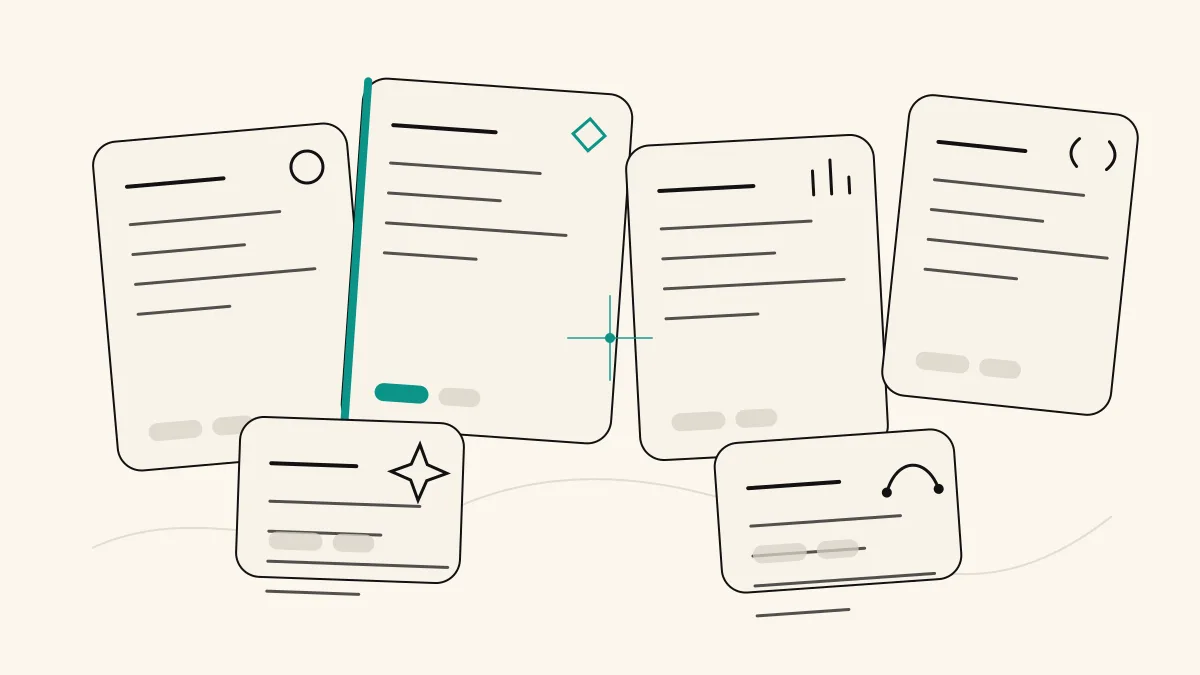
Looking for LinkedIn newsletter examples to spark your own? This is not a list of real newsletters with performance numbers to envy. It is a set of concepts you can adapt, organized by role, so you can see the shape of a good idea and make it yours.
Everything here is illustrative. The working titles are obvious placeholders, not claims about anything already published. The point is to show you what a focused newsletter looks like before you write a word of your own.
Here is the one idea worth keeping: a good LinkedIn newsletter is one clear promise you can keep on a cadence. Not a broad theme, not a personal diary, not everything you know. One promise, one reader, one rhythm. Get that right and the writing gets easier every issue.
One more thing up front. This page is about ideas and angles, not setup. It does not explain how to turn on the newsletter feature or the steps to publish your first edition. When you need the mechanics, we point you to the how-to guide instead of repeating it here.
LinkedIn defines a newsletter as a recurring set of articles around a topic and says subscribers can receive push, in-app, and email notifications for new editions. The current mechanics are documented in LinkedIn's official Newsletters FAQ.
TL;DR
- 📌 A good newsletter is one clear promise to one clear reader, kept on a cadence you can sustain.
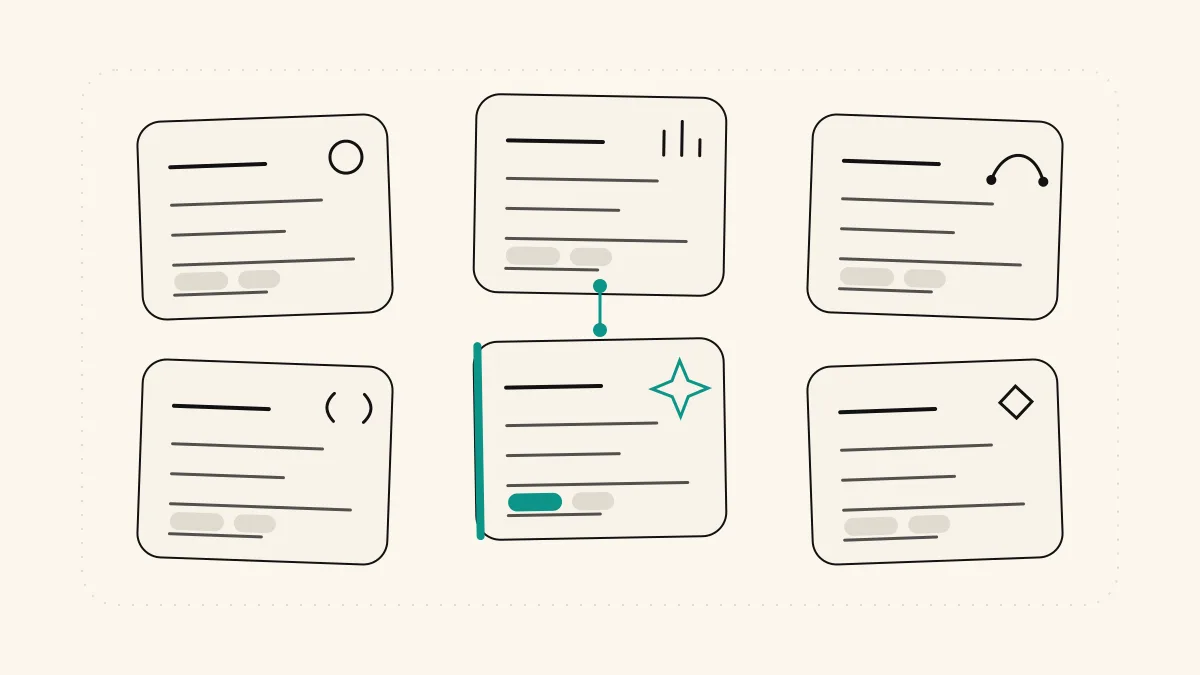
- 🧩 Six concepts below span consultants, founders, marketers, engineers, coaches, and career changers.
- ✍️ Each concept gives you a working title, the reader, the angle, and a first-edition outline.
- 🔁 Treat every example as a template to adapt, not a newsletter to copy word for word.
- 🎯 The best ones share four traits: one promise, a keepable cadence, a real point of view, your own voice.
- 🔧 For setup steps, use the how-to guide linked near the end, not this page.
Concept 1: The independent consultant
Working title idea
"The Fractional File" (placeholder)
Who it is for
Small and midsize business owners who hire outside help for one function, like finance, operations, or marketing, and want to get more from that relationship.
Angle and promise
Every edition takes one real problem a client-type faces and walks through how an experienced outsider would think about it. The promise: practical thinking you can use whether or not you ever hire a consultant.
First-edition outline
- Open with a common, expensive mistake you see owners make in your area.
- Explain why it happens, without blame, so the reader recognizes themselves.
- Show the two or three questions you would ask before touching anything.
- Give one change the reader can make this week on their own.
- Close with what you will cover next, so the promise repeats.
This works because consultants already solve these problems in private. A newsletter just makes your thinking visible to the people who have not called you yet.
Concept 2: The founder or operator
Working title idea
"Building In The Open" (placeholder)
Who it is for
Other founders and early operators who want honest detail about running a company, not polished highlight reels.
Angle and promise
Each issue covers one decision you actually faced, the options you weighed, and what you chose. The promise: real tradeoffs from someone a few steps ahead, not generic advice.
First-edition outline
- Name the decision and the moment it became unavoidable.
- Lay out the real options, including the one you rejected and why.
- Share what you chose and the reasoning at the time.
- Report what happened, including anything that surprised you.
- Pull out one lesson another founder can apply now.
Founder-to-founder honesty is rare because most people wait until a story has a happy ending. Writing while it is still messy is exactly what makes this one worth reading.
Concept 3: The marketer
Working title idea
"Campaign Notes" (placeholder)
Who it is for
In-house marketers and small-team marketing leads who want to sharpen their craft without wading through hype.
Angle and promise
Every edition breaks down one marketing idea, channel, or tactic and separates what reliably works from what only sounds good. The promise: clearer thinking about what to actually spend time on.
First-edition outline
- Pick one tactic people argue about and state the claim plainly.
- Explain the mechanism, so the reader understands why it might work.
- Describe where it fits and where it quietly fails.
- Give a simple way to test it at small scale first.
- End with your honest take, even if it is unpopular.
The value here is judgment. Marketers are drowning in tactics and starving for someone who will tell them what to ignore.
Concept 4: The software engineer or technical expert
Working title idea
"The Debug Log" (placeholder)
Who it is for
Working engineers and technical leads who want to grow beyond writing code, including the parts of the job nobody trains you for.
Angle and promise
Each issue takes one technical or team problem and shows how you reasoned through it, code or not. The promise: the thinking behind good engineering decisions, explained clearly.
First-edition outline
- Describe a problem you hit, with just enough context to feel real.
- Walk through your first assumption and why it was wrong.
- Show the approach that worked and the tradeoff it carried.
- Zoom out to the general principle behind the specific fix.
- Ask readers how they would have handled it, to open a thread.
Engineers trust specifics. A concrete story about a real problem earns more attention than a list of best practices ever will.
Concept 5: The coach
Working title idea
"Between Sessions" (placeholder)
Who it is for
People in the coach's niche, such as new managers, career switchers, or founders, who want steady guidance between the moments they would book a session.
Angle and promise
Every edition takes one recurring struggle from client conversations and offers a way to work through it alone. The promise: one useful shift per issue, no jargon.
First-edition outline
- Describe the feeling or stuck point in the reader's own words.
- Reframe it so it feels workable instead of shameful.
- Offer one small exercise or question to try this week.
- Note what usually gets in the way, so the reader is ready for it.
- Preview next week's theme to keep the habit going.
Coaching content fails when it stays abstract. Naming the exact struggle a reader recognizes is what makes them feel understood enough to keep reading.
Concept 6: The job-seeker or career-changer
Working title idea
"The Switch" (placeholder)
Who it is for
People changing roles, industries, or coming back to work, who want a realistic view of the process from someone doing it or who recently did.
Angle and promise
Each issue documents one part of the transition honestly, including the parts that are hard to admit. The promise: a real account of changing paths, not motivational filler.
First-edition outline
- Share where you are in the switch and what you are figuring out.
- Describe one thing you tried, applications, outreach, or learning.
- Report what actually happened, including the rejections.
- Note what you would do differently next time.
- Invite others in the same spot to share what is working for them.
Career changers are often told to project confidence. A newsletter that shows the honest version builds far more trust, and trust is what turns readers into people who refer you.
What the good ones have in common
Look back across the six concepts and the same four traits show up every time.
One clear promise. Each newsletter can be described in a single sentence. The reader knows what they get before they subscribe, and you know what to write before you sit down.
A cadence you can keep. None of these depend on a specific frequency. They depend on a rhythm you can sustain. Choose the schedule you will still honor on a busy week.
A real point of view. Every concept asks you to take a position, share a tradeoff, or admit something honest. Neutral summaries are forgettable. Your actual opinion is the product.
Written in your own voice. The reason these are templates and not scripts is that the voice has to be yours. The same outline sounds generic from one person and unmistakable from another. The difference is you.
If you want to sharpen the voice part before you start, our guide on LinkedIn personal branding covers how to sound like yourself consistently, and if you are short on edition ideas, LinkedIn post ideas is a good well to draw from.
Now set yours up
Once you have picked a concept and made it your own, the next step is the practical setup: turning on the feature, choosing your title, and shipping the first edition. This page deliberately does not cover that, because the mechanics live in one place.
For the step-by-step, follow how to create a LinkedIn newsletter. That guide handles the how. This one handles the what. Use them together: pick your concept here, set it up there.
Related reading
- How to create a LinkedIn newsletter for the full setup steps.
- LinkedIn personal branding to make your voice consistent across everything you publish.
- LinkedIn post ideas for a steady supply of edition topics.
- LinkedIn post generator to draft editions faster.
- LinkedIn about generator to tighten the profile people land on after they read you.
Picking a concept is the easy part. Keeping it sounding like you, edition after edition, is where most newsletters drift. WriteHero learns from your real LinkedIn post history and drafts in your own voice, so your newsletter reads like you wrote it even on the weeks you are busy. Try WriteHero free
Choose your next step
Frequently asked questions
What makes a good LinkedIn newsletter topic?
A good topic is one clear promise you can keep on a schedule. It names a specific reader, solves a specific problem for them, and gives you enough to say every week or month without running dry. If you can describe it in one sentence, it is probably focused enough.
How should I name my LinkedIn newsletter?
Name it after the promise, not after yourself. A plain, descriptive title tells a reader what they get and how often. The working titles in this article are placeholders to show the shape of a good name, so treat them as starting points and write your own.
How often should I publish a LinkedIn newsletter?
Pick the cadence you can actually keep. Weekly, biweekly, and monthly all work. Consistency matters more than frequency, so a monthly issue you always ship beats a weekly one you abandon after a month.
Should a newsletter cover one topic or many?
One clear promise per newsletter. A single focus is easier to write, easier to subscribe to, and easier to remember. If you have two strong ideas, keep the second one as a source of future editions rather than splitting your attention.
Can I use these examples exactly as written?
These are illustrative concepts to adapt, not real newsletters to copy. Use the structure, the reader, and the outline as a template, then rewrite the angle and title in your own words and voice so it reflects your actual experience.
How is this different from a how-to guide?
This page shows newsletter ideas and concepts you can adapt. It does not cover the setup mechanics. When you are ready to create yours, follow the steps in our how-to guide at /blog/how-to-create-a-linkedin-newsletter.
Related guides
Browse Writing WritingJuly 3, 2026
How to Write a LinkedIn Post That Sounds Like You
A practical guide to writing LinkedIn posts that earn attention without sounding generic: hook, body, takeaway, voice, formatting, and final checks.
Read more WritingOctober 3, 2026
How to Schedule LinkedIn Posts and Find Scheduled Posts
A practical guide to LinkedIn's native scheduler, including where scheduled posts live, how to edit them, and what to check when the clock or a post is missing.
Read more- WritingOctober 3, 2026
LinkedIn Drafts: Where to Find, Save and Recover Your Post
Post drafts and article drafts live in different places. Find the right one, keep a safe copy, and avoid discarding work while looking for a scheduled post.
Read more
See your first post, in your voice
Paste your LinkedIn profile and WriteHero drafts a post that sounds like you. See it before you sign up, no login needed. Create an account later to save the draft.